Information & Communication (ICT) Department
Programmes & Use of ICT tools in lessons
Mobile Learning with iPADs
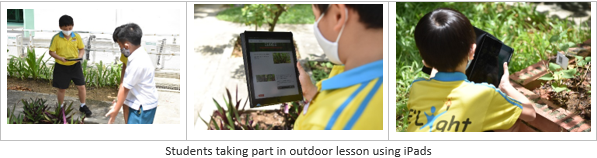
iPads are more than just engaging devices—they are powerful tools transforming education. With over 15,000 educational apps available, teachers and students can easily access rich, interactive learning resources. At East Spring Primary School, students will use iPads during Learning Trails around the campus, enhancing exploration, collaboration, and real-world learning experiences. Outdoor learning is now more fun and engaging for students.
Digital Art & Digital Music
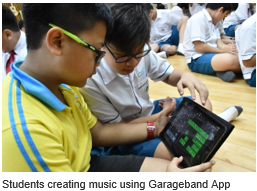
Our students experience music and art in innovative digital ways. During Art and Music lessons, they use GarageBand to compose beautiful musical pieces and Wacom Bamboo tablets to create their own Manga artwork. The tablets provide an engaging and versatile platform for drawing, painting, and creative expression.
Applied Learning Programme (ALP)
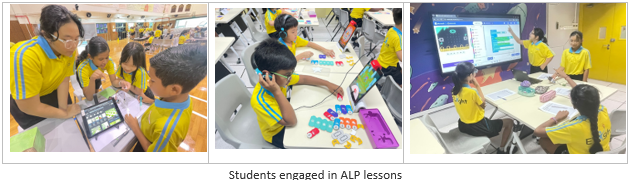
At ESPS, the ALP provides opportunities for students to deepen 21st-century competencies and nurtures them to become Self-Directed Learners, Active Contributors, Confident Persons, and Concerned Citizens. Through coding, students build ICT and computational thinking skills to tackle real-world problems, while STEM elements are integrated to make learning hands-on and problem-based.
Cyber Wellness @ ESPS
Cyber Wellness refers to the positive well-being of Internet users. It involves an understanding of the dangers of harmful online behaviours, an awareness of how to protect yourself and other Internet users from such dangers. Cyber Wellness @ ESPS focuses positive well-being and developing a healthy cyber culture amongst our pupils, aligned to MOE’s Cyber Wellness Framework.
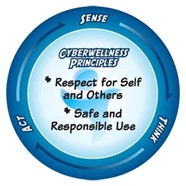
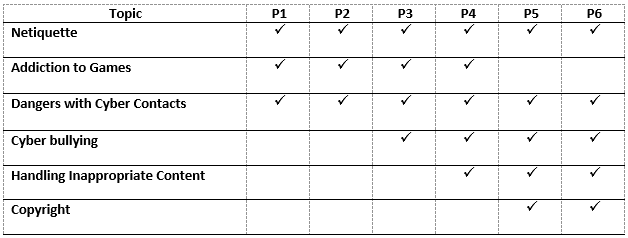
The Cyber Wellness Curriculum @ ESPS is as follows: